Clothes in Pakistan 2026: Ultimate Guide to Trends, Brands & Smart Online Shopping
Buying clothes in Pakistan has changed more in the last five years than in the previous twenty, and 2026 is the year that change becomes impossible to ignore. What used to mean a trip to the local tailor or a crowded weekend bazaar is now a quiet evening spent scrolling through seasonal lookbooks, comparing fabric weights, reading return policies, and ordering with Cash on Delivery from the comfort of home. Whether you are refreshing your everyday wardrobe, hunting for festive outfits, or simply trying to dress better without overspending, understanding how the clothes market actually works is the single biggest advantage a Pakistani shopper can have. This guide walks you through everything — trends, fabrics, brands, sizing, seasonal collections, online buying strategy, and the small mistakes that quietly cost people money every single month.
At Arbsbuy Pakistan, we connect buyers with trusted sellers across the country, which gives us a clear, ground-level view of what people are searching for, what they regret buying, and what genuinely delivers value. We have used that perspective to write a guide that is practical rather than promotional. By the end, you will know not just what to buy, but how to buy clothes the smart way in 2026.
Understanding the Clothes Market in Pakistan
Pakistan sits at the heart of the global textile world. The country is one of the largest cotton producers on earth, and its fabric mills, dyeing units, and stitching workshops form a supply chain that clothes millions of people at home while exporting to dozens of countries abroad. This matters to you as a shopper for one simple reason: the raw material for great clothes is produced locally, which means you have access to genuinely high-quality fabric at prices that shoppers in many other countries would envy.
The domestic fashion retail market has expanded rapidly, and the reasons are easy to see. eCommerce adoption has exploded, smartphones have put entire catalogues in everyone’s pocket, and a younger, brand-aware generation now treats clothes as a form of self-expression rather than just necessity. Seasonal launches — lawn in summer, khaddar and linen in winter — have become cultural events that people plan around. At the same time, discount-driven behaviour has trained shoppers to wait for sales, compare prices across platforms, and judge a seller by its reputation before parting with a single rupee.
According to data published by the Pakistan Bureau of Statistics (pbs.gov.pk), textiles remain a dominant share of national output and employment, and you can read more about the broader sector on the textile industry in Pakistan overview. For the everyday buyer, the takeaway is encouraging: the clothes you wear are backed by one of the most mature manufacturing ecosystems in the region, and online marketplaces have made that ecosystem more accessible than ever.
Clothes Trends Dominating 2026
Trends in clothes are not just about what looks new — they reflect how people live. In 2026, the strongest theme across Pakistani fashion is versatility. Shoppers want pieces that move easily between work, casual outings, and family gatherings without feeling out of place. The throwaway, wear-it-once mentality is fading, replaced by a more thoughtful approach where a smaller number of well-chosen clothes do more work.
Men’s Clothing Trends
Men’s clothing in Pakistan has shifted firmly toward minimalism and smart-casual styling. The most in-demand everyday categories include graphic and oversized T-shirts, slim-fit jeans, straight-cut trousers, casual kurtas, polo shirts, and lightweight jackets or hoodies for the cooler months. The modern Pakistani man wants clothes that transition cleanly from the office to an evening out, which is why neutral palettes — white, charcoal, navy, olive, and beige — continue to outsell loud prints.
For formal and festive occasions, the shalwar kameez remains the undisputed champion, but it is being worn in fresh ways: tailored silhouettes, subtle textures, and waistcoats layered for weddings and Eid. A growing number of men now finish their look with a quality fragrance, and pairing the right outfit with a long-lasting scent has become part of the routine — something we cover in depth in our guide to the best perfume for men in Pakistan. You can browse current options in the men’s fashion section as you plan a wardrobe refresh.
Women’s Clothing Trends
Women’s clothes in 2026 are defined by a balance between heritage and modernity. Unstitched three-piece suits remain the backbone of most wardrobes because they offer freedom — the same fabric can be tailored into a dozen different silhouettes. Lawn dominates the summer, while khaddar, linen, and karandi take over in winter. Pastel tones, earthy neutrals, and intricate but restrained embroidery are leading the embellished category, while everyday casual wear leans toward comfortable kurtis, relaxed trousers, and breathable cotton.
Western and fusion wear continues to grow among younger women in urban centres, with co-ord sets, tunics, and modest-but-modern cuts gaining ground. The most successful wardrobes blend both worlds: traditional pieces for cultural occasions and versatile fusion clothes for daily life. The common thread is fabric quality — women shopping in 2026 are far more likely to ask about thread count, colour-fastness, and stitching durability than they were a few years ago.
Kids’ Clothing Trends
Children’s clothes are increasingly chosen for comfort, durability, and easy washing rather than appearance alone. Soft cotton, stretchable fabrics, and fuss-free designs dominate, with festive miniature versions of adult outfits remaining popular for Eid and weddings. Parents now look for clothes that survive repeated washing and active play, which has pushed quality up across the children’s segment.
A Practical Guide to Fabrics
If there is one skill that separates a confident clothes shopper from a frustrated one, it is understanding fabric. The same design can feel luxurious or cheap depending entirely on the material, and knowing the basics protects you from disappointment — especially when buying online, where you cannot touch the cloth before it arrives.
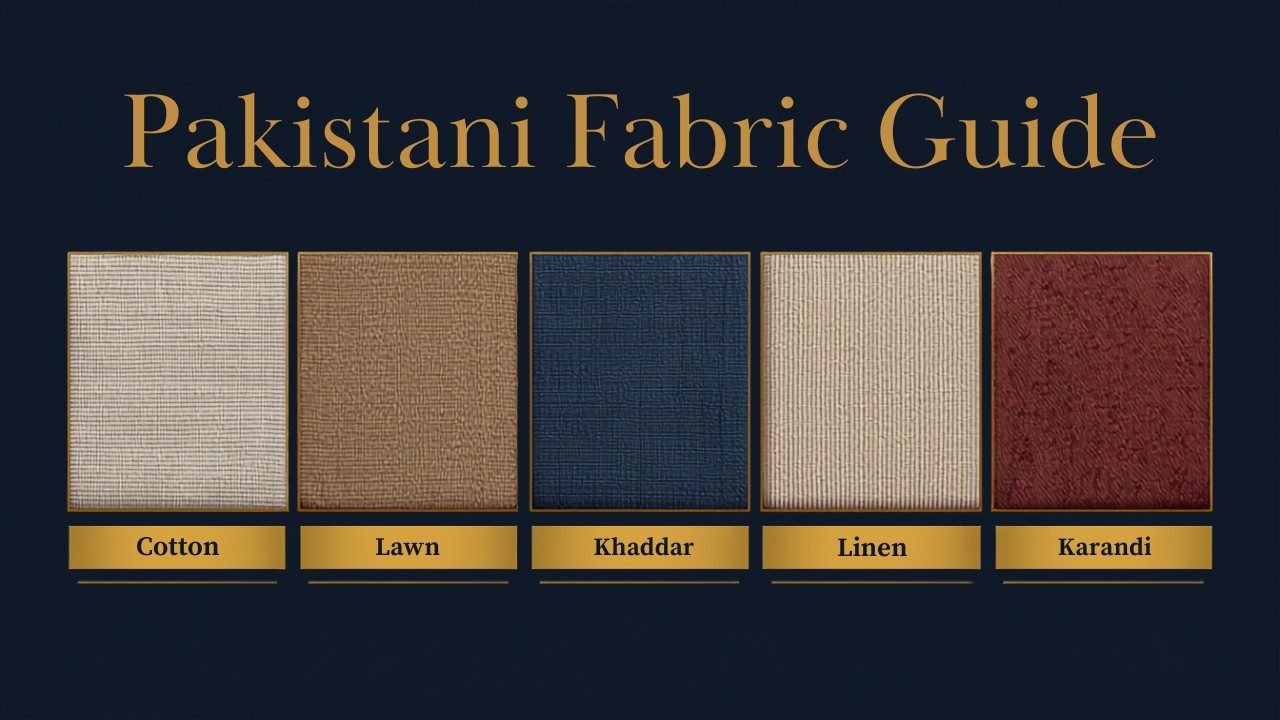
Cotton is the everyday hero of Pakistani clothes. It breathes well, suits the climate, and washes easily, making it ideal for casual and summer wear. Lawn is a finely woven, lightweight cotton that has become almost synonymous with Pakistani summer fashion; its softness and printability make it the season’s favourite. Khaddar is a thicker, handwoven-style cotton that provides warmth in winter while still feeling natural against the skin. Linen offers structure and a premium drape, sitting between casual and formal, and performs beautifully in transitional weather.
Karandi and blended winter fabrics add weight and warmth for the coldest months, while chiffon, organza, and silk are reserved for festive and bridal clothes where flow and shine matter more than everyday practicality. When you shop, match the fabric to the purpose: cotton and lawn for daily wear, linen for smart-casual, and the luxury fabrics only when the occasion truly calls for them. Buying a heavy embellished suit for routine use is one of the most common ways shoppers waste money on clothes they rarely wear.
Seasonal Collections: Summer vs Winter
Pakistan’s clothes calendar runs on two great seasons, and planning around them is the easiest way to dress well for less. The summer season belongs to lawn. From spring onwards, brands release collection after collection, and the early launches command premium prices while end-of-season clearances offer the same designs at a fraction of the cost. If you are not chasing the very latest print, buying summer clothes at the tail end of the season is one of the smartest value moves available.
The winter season shifts the spotlight to khaddar, linen, karandi, and heavier blends, along with shawls, sweaters, and layering pieces. Winter collections tend to hold their value a little longer because the fabrics are more expensive to produce, but the same clearance logic applies. A disciplined shopper buys next winter’s basics during this winter’s final sale, locking in quality clothes at the lowest possible price. Across both seasons, the principle is identical: anticipate the cycle instead of reacting to it.
Top Clothing Brands in Pakistan
Pakistan’s branded fashion landscape is rich, and knowing the major players helps you set realistic expectations for price and quality. Established names like Khaadi, Gul Ahmed, Sapphire, Limelight, Nishat Linen, Alkaram, and Bonanza Satrangi have built reputations on consistent fabric quality and seasonal design strength. These brands typically sit in the mid-to-premium range and are best known for their lawn and unstitched collections.
For men, brands such as J. (Junaid Jamshed), Bonanza, and a wide field of dedicated menswear labels cover everything from formal shalwar kameez to western casuals. Alongside the big names, a thriving ecosystem of independent designers and marketplace sellers offers competitive, often more affordable alternatives — and this is where online marketplaces shine. Instead of being limited to whichever brand has a nearby outlet, you can compare dozens of sellers, read genuine reviews, and find clothes that match both your taste and your budget. The key is to judge each seller on fabric description, customer feedback, and return policy rather than brand name alone.
Stitched vs Unstitched: Which Should You Buy?
One decision unique to Pakistani clothes shopping is the choice between stitched and unstitched. Unstitched fabric gives you complete control: you choose the tailor, the cut, and the fit, and you can adjust the design to your exact preference. It is usually more economical per outfit and is the traditional route for those who value a perfect, personalised fit. The trade-off is time and the need for a reliable tailor.
Stitched or pret clothes offer instant gratification — they arrive ready to wear, with no tailoring delay, which is invaluable for last-minute needs and for anyone who simply does not enjoy the tailoring process. The fit is standardised, so it is essential to check size charts carefully. Many shoppers end up using both approaches: unstitched for important, well-planned outfits where fit matters most, and stitched for convenience and everyday clothes. Neither is universally better; the right choice depends on your time, your budget, and how particular you are about fit.
How to Choose the Right Size When Shopping Online
Sizing is where online clothes shopping most often goes wrong, and it is almost always preventable. The golden rule is to ignore the label size and read the actual measurements. Reputable sellers provide a size chart with chest, waist, length, shoulder, and sleeve dimensions. Take a garment you already own and love, measure it flat with a tape, and compare those numbers to the chart. This single habit eliminates the majority of fit-related returns.
Pay attention to fit descriptions too — slim, regular, and relaxed cuts can vary dramatically between sellers. For unstitched fabric, confirm the total metres provided, since a suit that is short on cloth limits your tailoring options. When in doubt between two sizes, the safer choice for most clothes is the slightly larger one, as taking a garment in is far easier than letting it out. Finally, always check the seller’s exchange policy before ordering, so that a sizing surprise becomes a quick swap rather than a lost purchase.
Smart Online Shopping Strategies for Clothes
Buying clothes online in Pakistan is genuinely rewarding when you approach it with a little structure. Start by setting a clear purpose for the purchase — everyday wear, office, or a specific occasion — because a defined goal protects you from impulse buys that never get worn. Next, evaluate the seller as carefully as the product: look for detailed fabric descriptions, real customer photos and reviews, transparent pricing, and a clear return or exchange policy.
Take full advantage of Cash on Delivery, which remains the most trusted payment method across Pakistan because it lets you receive the clothes before paying. Compare prices across multiple listings rather than buying the first attractive option, and time bigger purchases around seasonal sales and clearance events. Keep screenshots of product descriptions and order confirmations in case you need to raise a claim. On a marketplace like Arbsbuy Pakistan, these protections combine with nationwide delivery to make online clothes shopping both convenient and low-risk. For a deeper look at how delivery and COD work, see our guide to delivery in Pakistan.
Budget Shopping: Looking Great for Less
Dressing well has very little to do with how much you spend and a great deal to do with how you spend it. The most stylish wardrobes are usually built on a foundation of versatile basics in neutral colours that mix and match endlessly, with a few statement pieces added for variety. Investing in fabric quality for items you wear constantly — and economising on trend pieces that will date quickly — gives you the best of both worlds.
Shop the end-of-season sales for next year’s basics, prefer unstitched fabric when you want maximum value per outfit, and resist the temptation to chase every passing trend. A well-chosen capsule of ten quality clothes will always outperform a closet stuffed with thirty cheap, ill-fitting ones. Value, in clothes as in most things, is about cost per wear — and a slightly more expensive piece you reach for weekly is far cheaper in the long run than a bargain you wear once.
Caring for Your Clothes
The cheapest way to upgrade your wardrobe is to take better care of the clothes you already own. Always read the care label before the first wash. Separate colours from whites, wash in cooler water to protect colour and fabric, and turn printed or embellished garments inside out to preserve the design. Air-drying in shade prevents the harsh fading that direct sun and machine dryers cause, especially on lawn and other lightweight cottons.
Store seasonal clothes clean and fully dry to avoid mildew and stains setting in over months of storage. Iron at the temperature appropriate to each fabric, and address small repairs — a loose button, an opening seam — promptly before they become bigger problems. Clothes that are cared for properly look better, last longer, and ultimately save you a remarkable amount of money over the years.
Common Mistakes Shoppers Make
Even experienced shoppers fall into a handful of predictable traps. The first is buying for the fantasy rather than the reality — purchasing heavily embellished festive clothes that look stunning online but rarely suit everyday life. The second is ignoring fabric descriptions and being seduced by photos alone, only to be disappointed by the material on arrival. The third is skipping the size chart and trusting the label, which leads directly to returns and frustration.
Other frequent errors include shopping without checking the return policy, chasing every trend instead of building a coherent wardrobe, and judging value by the discount percentage rather than the actual cost per wear. Perhaps the most expensive mistake of all is buying clothes you do not truly need simply because they are on sale. Awareness of these patterns is half the battle; a few seconds of honesty before each purchase saves both money and closet space.
Building a Versatile Wardrobe
The end goal of all this knowledge is a wardrobe that works for you rather than against you. Start with a foundation of neutral, high-quality basics: well-fitting trousers, a few crisp shirts or kurtas, comfortable everyday wear, and one or two outfits suitable for formal occasions. From that foundation, add seasonal and trend pieces gradually, choosing items that complement what you already own instead of clashing with it.
Think in outfits rather than individual clothes — every new purchase should pair with at least two or three things you already have. Finish your look with the details that elevate it: a clean fit, well-maintained fabric, and a signature fragrance. Many of our readers pair their wardrobe refresh with a scent from our fragrance collection, and you can explore ideas in the best perfume in Pakistan guide. A thoughtful wardrobe, assembled patiently, will always look more put-together than an expensive one assembled in a hurry.
Why Shop Clothes on Arbsbuy Pakistan
Arbsbuy Pakistan brings trusted sellers, competitive pricing, and nationwide Cash on Delivery together on one platform. Instead of hopping between scattered pages, you can compare options, read genuine feedback, and order with the confidence that you only pay once your clothes arrive. Our marketplace model means more choice and more competition, which consistently works in the buyer’s favour. Whether you are after everyday essentials or something special for an occasion, the combination of selection, value, and buyer protection makes the experience straightforward and secure.
Final Thoughts
Shopping for clothes in Pakistan in 2026 is easier, richer, and more rewarding than it has ever been — provided you shop with intention. Understand your fabrics, plan around the seasons, judge sellers carefully, read the size charts, and build a wardrobe of versatile pieces you genuinely wear. Do that, and you will spend less, regret nothing, and look consistently good. The clothes are out there, the prices are competitive, and the tools to shop wisely are all in your hands. All that remains is to put them to use.
Frequently Asked Questions
What are the best clothes to buy in Pakistan for everyday wear?
For everyday wear, breathable cotton and lawn clothes are ideal in Pakistan’s climate. Focus on versatile basics in neutral colours that mix and match easily, and prioritise fabric quality and good fit over passing trends so each piece earns its place in your wardrobe.
Is it better to buy stitched or unstitched clothes?
Unstitched fabric is usually more economical and gives you a personalised fit through your own tailor, while stitched (pret) clothes are ready to wear and far more convenient. Many shoppers use both — unstitched for important outfits where fit matters most, and stitched for everyday convenience.
How do I choose the right size when buying clothes online?
Ignore the label size and read the seller’s measurement chart instead. Measure a garment you already own and love, compare those numbers to the chart, and check the fit description. When unsure between two sizes, the slightly larger one is usually safer, and always confirm the exchange policy first.
When is the best time to buy clothes at low prices?
End-of-season clearance sales offer the best value. Buy summer lawn at the tail end of summer and winter fabrics during the final winter sale. Anticipating the seasonal cycle, rather than reacting to it, lets you buy quality clothes at the lowest possible prices.
Is Cash on Delivery available when buying clothes online in Pakistan?
Yes. Cash on Delivery is the most trusted payment method across Pakistan and is available nationwide on Arbsbuy Pakistan. It lets you receive and inspect your clothes before paying, which removes most of the risk from online shopping.