Shopify Stores Explained: A Risk-Smart Guide to Building and Trusting Ecommerce in 2026
Shopify stores have become one of the most common ways businesses sell online, and if you shop on the internet at all, you have almost certainly bought from one without realising it. Shopify is a platform that lets anyone — from a single person working at home to a large established brand — build and run an online store. Understanding what Shopify stores are, how they work, and how to shop from them safely is genuinely useful knowledge in 2026, whether you are a buyer wanting confidence in where you spend your money or an aspiring seller curious about starting your own store. This guide explains it all in clear, practical terms.
We will cover what Shopify actually is, how Shopify stores operate, the advantages and limitations for sellers, what it costs, how to tell a trustworthy store from a risky one, and how it compares to other ways of selling online such as marketplaces. By the end you will understand this corner of eCommerce far better. And if your priority is simply shopping with confidence and Cash on Delivery in Pakistan, you can always explore the trusted marketplace at Arbsbuy Pakistan, where buyer protection is built in.
What Is Shopify?
Shopify is a commerce platform that provides the tools a business needs to sell products online. Instead of building a website and payment system from scratch — an expensive and technical undertaking — a seller can use Shopify to set up a complete online store relatively quickly. The platform handles the underlying technology: the storefront design, the shopping cart, the checkout, the order management, and the connections to payment and shipping services. In short, Shopify gives sellers a ready-made foundation on which to build their own branded shop.
This is why Shopify stores look and feel like independent websites rather than listings on a shared marketplace. Each store has its own name, design, and web address, giving the seller a distinct brand identity. Behind that individual appearance, however, they all run on the same reliable Shopify infrastructure. The platform powers an enormous number of stores worldwide, from tiny startups to globally recognised brands, which is a testament to how effectively it lowers the barrier to selling online for businesses of every size.
How Shopify Stores Work
From the seller’s side, running a Shopify store involves choosing a design theme, adding products with descriptions and photos, setting prices, configuring payment and shipping options, and then marketing the store to attract customers. The platform manages the technical heavy lifting, so the seller can focus on their products and their customers rather than on coding and servers. Orders, inventory, and customer information are all handled through a central dashboard, making day-to-day operations manageable even for those without technical backgrounds.
From the buyer’s side, shopping on a Shopify store feels much like any other online shopping experience. You browse products, add items to a cart, proceed to checkout, enter your details, and place your order. Because each store is independently branded, the experience varies in look and feel from one store to the next, but the underlying process is consistent and familiar. This blend of individual branding and dependable shared technology is the essence of how Shopify stores function, and it explains both their variety and their general reliability.
The Advantages of Shopify for Sellers
Shopify has become so popular with sellers for good reasons. The biggest advantage is ease of use: it allows people with no technical expertise to launch a professional-looking online store, dramatically lowering the barrier to entry. The second is brand control — sellers own their store’s identity, design, and customer relationship, rather than being one anonymous listing among thousands on a marketplace. This freedom to build a distinct brand is hugely valuable for businesses that want to stand out.
Other advantages include a vast ecosystem of apps and integrations that extend a store’s capabilities, reliable hosting and security handled by the platform, and tools for marketing, analytics, and scaling as a business grows. Shopify also supports multiple sales channels and payment methods, giving sellers flexibility. For entrepreneurs and established businesses alike, this combination of simplicity, control, and powerful features makes Shopify an attractive foundation for building an online business that can grow over time.
The Limitations to Be Aware Of
No platform is perfect, and being aware of Shopify’s limitations gives a balanced picture. For sellers, the main consideration is cost: Shopify charges ongoing subscription fees, and many useful apps and premium themes carry additional charges, which can add up. There can also be transaction-related fees depending on the payment setup. For a small seller just starting out, these recurring costs need to be weighed against expected sales.
Another consideration is that, unlike a marketplace, a Shopify store does not come with built-in traffic. A marketplace brings its own audience of shoppers, whereas a standalone Shopify store must attract its own customers through marketing, which takes effort, skill, and often money. For buyers, the main implication is that the quality and trustworthiness of Shopify stores vary enormously, since anyone can create one. This is not a flaw in the platform but a reality of its openness, and it is precisely why knowing how to evaluate a store before buying matters so much.
What Does Shopify Cost?
For those curious about selling, understanding the cost structure is important. Shopify operates on a subscription model, with different plans offering different features at different monthly prices. Higher tiers unlock more advanced capabilities suited to larger businesses, while entry plans cover the essentials for those starting out. On top of the subscription, sellers may pay for premium themes, paid apps that add functionality, and payment processing fees, the exact amount of which depends on the payment methods used.
The practical takeaway for an aspiring seller is to budget not just for the subscription but for the full picture: the plan, any essential apps, a theme if a premium one is desired, marketing costs to attract customers, and payment processing. For a serious business, these costs are reasonable relative to the value of a professional, scalable store. For someone simply testing an idea, it is wise to start lean and add paid extras only as the business grows and generates revenue to justify them.
How to Tell If a Shopify Store Is Trustworthy
Because anyone can open a Shopify store, evaluating one before you buy is an essential skill for safe online shopping. Start by looking for clear contact information — a legitimate store usually provides a way to reach the business, such as an email address or phone number. Check for transparent policies, including shipping, returns, and refunds, which trustworthy stores display openly. The presence of genuine customer reviews, both on the store and on independent sources, is another strong signal.
Be cautious of stores with prices that seem too good to be true, poor or copied product descriptions, no contact details, missing policies, or numerous unresolved complaints elsewhere online. A professional, well-maintained store with detailed product information and responsive support is far more likely to be reliable. When in doubt, search for the store’s name alongside words like reviews to see what other customers have experienced. Applying this simple diligence lets you enjoy the variety of Shopify stores while protecting yourself from the small minority that are not legitimate.
Shopify Stores vs Online Marketplaces
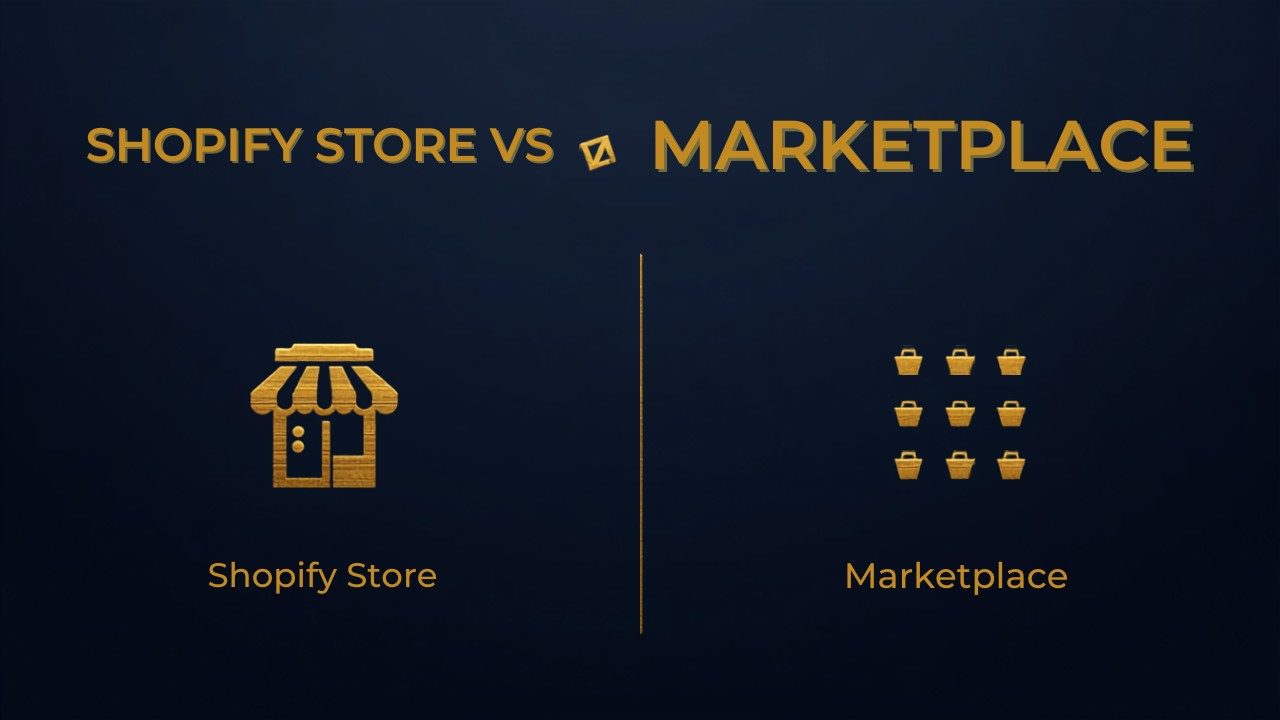
Understanding how Shopify stores differ from marketplaces helps you shop more wisely. A Shopify store is a single seller’s branded shop, offering that seller’s products with their own identity and policies. A marketplace, by contrast, brings many sellers together under one platform, with shared systems for browsing, buying, reviews, and often buyer protection. Each model has its strengths, and neither is universally better — they simply suit different needs.
For buyers, marketplaces often offer added convenience and reassurance: a single trusted environment, consolidated reviews, established buyer-protection mechanisms, and frequently the option of Cash on Delivery, which is especially valued in Pakistan. Independent Shopify stores offer a more direct, brand-focused experience and sometimes products you will not find elsewhere. Many shoppers use both, choosing marketplaces for everyday purchases and convenience, and individual stores for specific brands they trust. Knowing the difference lets you pick the right channel for each purchase and shop with appropriate confidence in either.
Is It Safe to Buy from Shopify Stores?
The honest answer is that buying from Shopify stores can be perfectly safe, provided you apply sensible judgement. The Shopify platform itself is secure and reputable, powering countless legitimate businesses worldwide. The variable is not the technology but the individual seller behind each store, since the platform’s openness means quality ranges from excellent established brands to occasional unreliable operators. Your safety therefore depends on evaluating the specific store rather than the platform.
To shop safely, apply the trust checks discussed earlier: confirm contact details and policies, look for genuine reviews, and be wary of deals that seem unrealistic. Keep records of your order and payment, and understand the store’s return policy before buying. Where available, payment methods that offer some buyer protection add reassurance. In Pakistan, where Cash on Delivery is the gold standard for low-risk shopping, many buyers prefer marketplaces that offer COD for everyday purchases, while still buying from well-reviewed independent stores for specific brands. With awareness, both can be part of a confident shopping routine.
Thinking of Starting Your Own Shopify Store?
If reading about Shopify has sparked an interest in selling, there are a few realistic things to know before you begin. Success with a Shopify store depends far less on the technology — which Shopify makes easy — and far more on the fundamentals of any business: a product people want, fair pricing, good customer service, and effective marketing to attract visitors. Because a standalone store does not bring its own traffic, your ability to reach customers through social media, search, and advertising will largely determine your results.
Start by validating your product idea, then build a clean, trustworthy store with clear descriptions, honest photos, and transparent policies. Budget for the subscription, essential apps, and marketing, and be prepared to learn and adapt. Many successful sellers also use marketplaces alongside their own store to reach more customers. Whether you choose an independent store, a marketplace, or both, the principles of trust, value, and service are what ultimately build a sustainable online business. Shopify simply gives you the tools; the business itself is yours to build.
What Kinds of Products Do Shopify Stores Sell?
One of the reasons Shopify stores are so widespread is that they sell virtually every kind of product imaginable. Fashion and apparel brands are especially common, using the platform’s strong design tools to showcase clothing, shoes, and accessories. Beauty and skincare stores, jewellery sellers, and home decor brands also thrive on Shopify, where attractive visuals matter and the platform makes it easy to present products beautifully. Electronics, gadgets, and accessories are another major category.
Beyond physical goods, Shopify stores sell digital products, subscriptions, handmade and artisan items, and niche specialty products that might struggle to find space on a crowded marketplace. This versatility is part of the platform’s appeal for sellers, since it accommodates almost any business model. For buyers, it means Shopify stores are worth exploring for both mainstream products and unique items you may not find elsewhere. The key, as always, is to evaluate each individual store for trustworthiness before buying, regardless of what it sells, since the same diligence applies across every product category.
The Rise of Shopify and Modern Ecommerce
The growth of Shopify stores reflects a broader transformation in how the world shops and sells. Over the past decade, ecommerce has shifted from something dominated by a handful of large players into a landscape where any business, however small, can sell directly to customers anywhere. Platforms like Shopify democratised this by removing the technical and financial barriers that once made running an online store the preserve of big companies with development teams and large budgets.
This shift has empowered a wave of entrepreneurs, small businesses, and independent creators to build their own brands and reach customers directly. It has also given buyers more choice than ever, with access to countless specialised stores alongside the big marketplaces. Understanding this context helps explain why you encounter so many Shopify stores online today and why ecommerce continues to grow so rapidly. For buyers, the practical implication is simply more options — and a greater need for the judgement to choose trustworthy sellers among the many now competing for attention.
Tips for First-Time Buyers on Shopify Stores
If you are buying from an independent Shopify store for the first time, a few practical habits make the experience safe and pleasant. Begin by researching the store: search its name online, look for reviews and customer experiences, and check how long it has been operating and how it presents itself. A professional, well-maintained store with detailed information and an active presence is generally more reliable than a hastily built one with little substance.
Before ordering, read the product descriptions carefully, review the shipping and return policies, and make sure you understand the total cost including any delivery charges. Keep records of your order confirmation and any communication. Where a payment method offering buyer protection is available, it adds reassurance, and being cautious of unrealistic discounts protects you from the rare bad actor. With these simple steps, first-time buyers can confidently enjoy the variety that independent Shopify stores offer while keeping their purchases secure.
Why Buyers Value Trusted Marketplaces
For everyday shopping in Pakistan, many buyers gravitate toward trusted marketplaces precisely because they combine variety with built-in reassurance. A platform like Arbsbuy Pakistan brings multiple sellers together with consolidated reviews, clear policies, reliable nationwide delivery, and Cash on Delivery so you only pay when your order arrives. This removes much of the uncertainty that comes with evaluating countless individual stores, offering a single, dependable environment for a wide range of products. To understand how ordering and COD work, see our guide to delivery in Pakistan. The convenience and protection of a trusted marketplace is exactly why it remains the preferred choice for so many shoppers.
Shopify Stores and the Mobile Shopping Era
An important reason for the success of Shopify stores is how well they adapt to mobile shopping, which now accounts for the majority of online browsing and buying. Shopify stores are designed to work smoothly on smartphones, with responsive layouts, mobile-friendly checkouts, and fast loading that make shopping on a phone as easy as on a computer. Since most people in Pakistan access the internet primarily through their phones, this mobile readiness is a major part of why the shopping experience on these stores feels seamless.
For buyers, the practical implication is that you can browse and order from Shopify stores comfortably wherever you are, with the same trust checks applying as on a desktop. The convenience of mobile shopping has accelerated the growth of ecommerce overall, and Shopify’s strong mobile experience has helped its stores keep pace. Whether you are comparing products during a commute or placing an order from your sofa, the mobile-first design of modern Shopify stores ensures the process is quick and frustration-free, which is exactly what today’s shoppers expect.
The Future of Online Selling
Looking ahead, the trends that gave rise to Shopify stores show no sign of slowing. Ecommerce continues to grow as more shoppers embrace the convenience of buying online, and platforms keep adding tools that make selling easier and shopping smoother. Personalisation, faster checkouts, better mobile experiences, and integration across social media and multiple sales channels are all shaping the next phase of online retail, and Shopify stores sit right at the centre of these developments.
For buyers, this evolving landscape means ever more choice and convenience, balanced by the ongoing need to shop wisely among countless sellers. For aspiring entrepreneurs, it means the opportunity to build an online business remains very much open, with accessible tools lowering the barrier to entry year after year. Whether you participate as a buyer, a seller, or both, understanding how Shopify stores and the wider ecommerce world work positions you to make the most of an online marketplace that will only continue to expand and improve in the years ahead.
Final Thoughts
Shopify stores are a cornerstone of modern eCommerce, empowering businesses of every size to sell online with their own branded shops built on reliable technology. For buyers, they offer variety and access to brands large and small, with safety depending on evaluating each store sensibly. For aspiring sellers, Shopify provides accessible tools, though success rests on product, service, and marketing rather than technology alone. Whether you buy from independent Shopify stores, trusted marketplaces, or both, understanding how they work makes you a smarter, more confident participant in online commerce — and that knowledge is valuable whichever side of the transaction you are on.
Frequently Asked Questions
What are Shopify stores?
Shopify stores are online shops built on the Shopify commerce platform, which provides sellers with the tools to create a branded website, list products, and process orders. Each store has its own name, design, and policies, but all run on Shopify’s shared, reliable infrastructure.
Are Shopify stores safe to buy from?
They can be perfectly safe when you evaluate the individual seller. The platform itself is secure, but quality varies because anyone can open a store. Check for contact details, clear policies, and genuine reviews, avoid deals that seem too good to be true, and keep your order records.
How much does it cost to run a Shopify store?
Shopify uses a subscription model with different monthly plans, plus possible costs for premium themes, paid apps, and payment processing fees. Sellers should budget for the plan, essential apps, and marketing, since a standalone store must attract its own customers.
What is the difference between a Shopify store and a marketplace?
A Shopify store is a single seller’s branded shop, while a marketplace brings many sellers together with shared systems for browsing, reviews, and often buyer protection and Cash on Delivery. Marketplaces offer added convenience and reassurance, while independent stores offer a direct, brand-focused experience.
Can I start my own Shopify store easily?
Yes, Shopify makes the technical setup easy, but success depends on having a product people want, fair pricing, good service, and effective marketing to attract visitors, since a standalone store does not bring its own traffic. Many sellers also use marketplaces to reach more customers.